10 Baby Products Parents Regret Buying (Shared by Mums in Our Community)
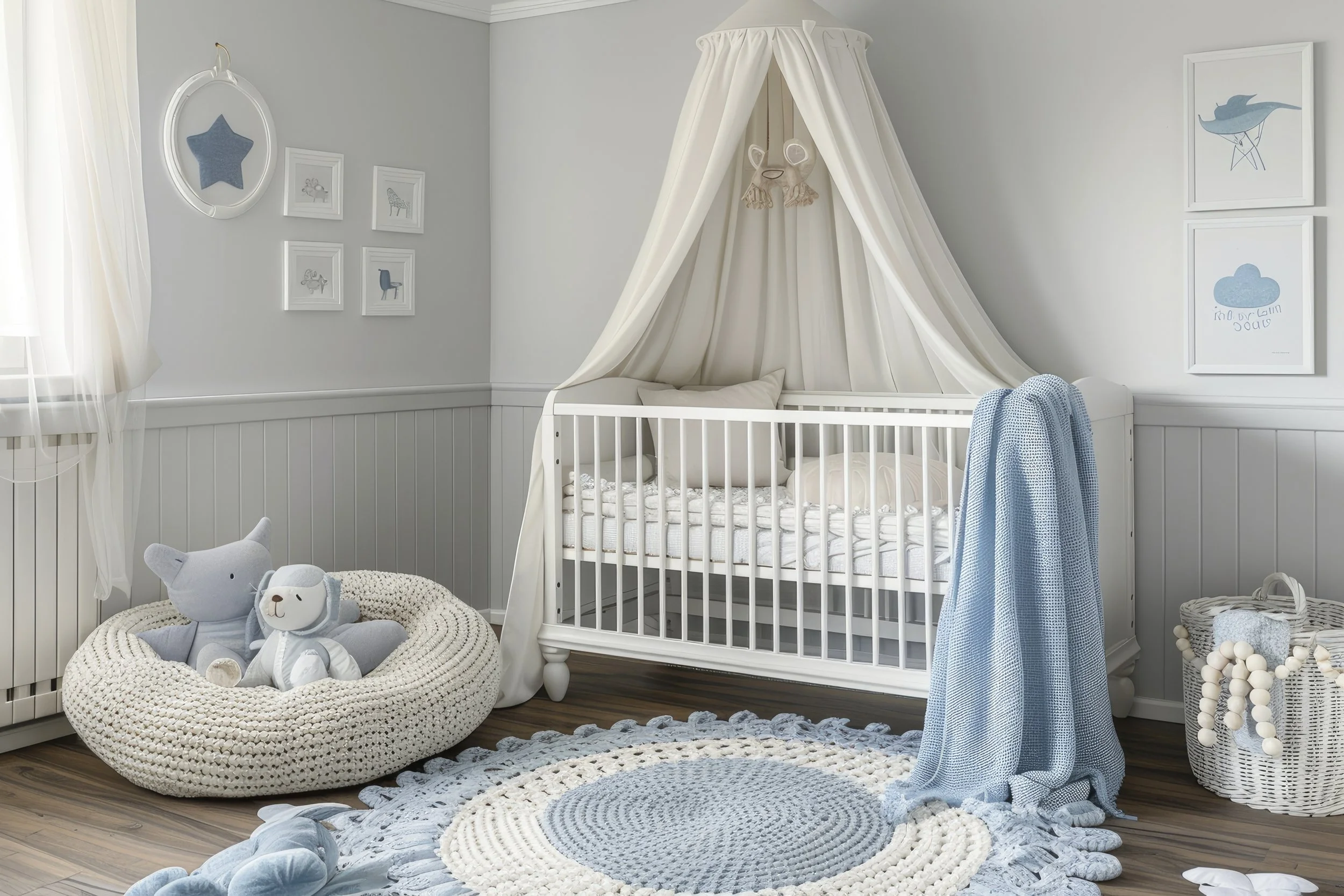
Preparing for a new baby often means buying a long list of recommended items. From baby gadgets to tiny outfits, it’s easy to believe that every product is essential.
But once the baby arrives, many parents discover that some items are barely used — or not used at all.
We asked mums in our community about the baby products they wish they hadn’t bought, and the answers were surprisingly consistent.
Here are 10 baby products parents often regret purchasing.
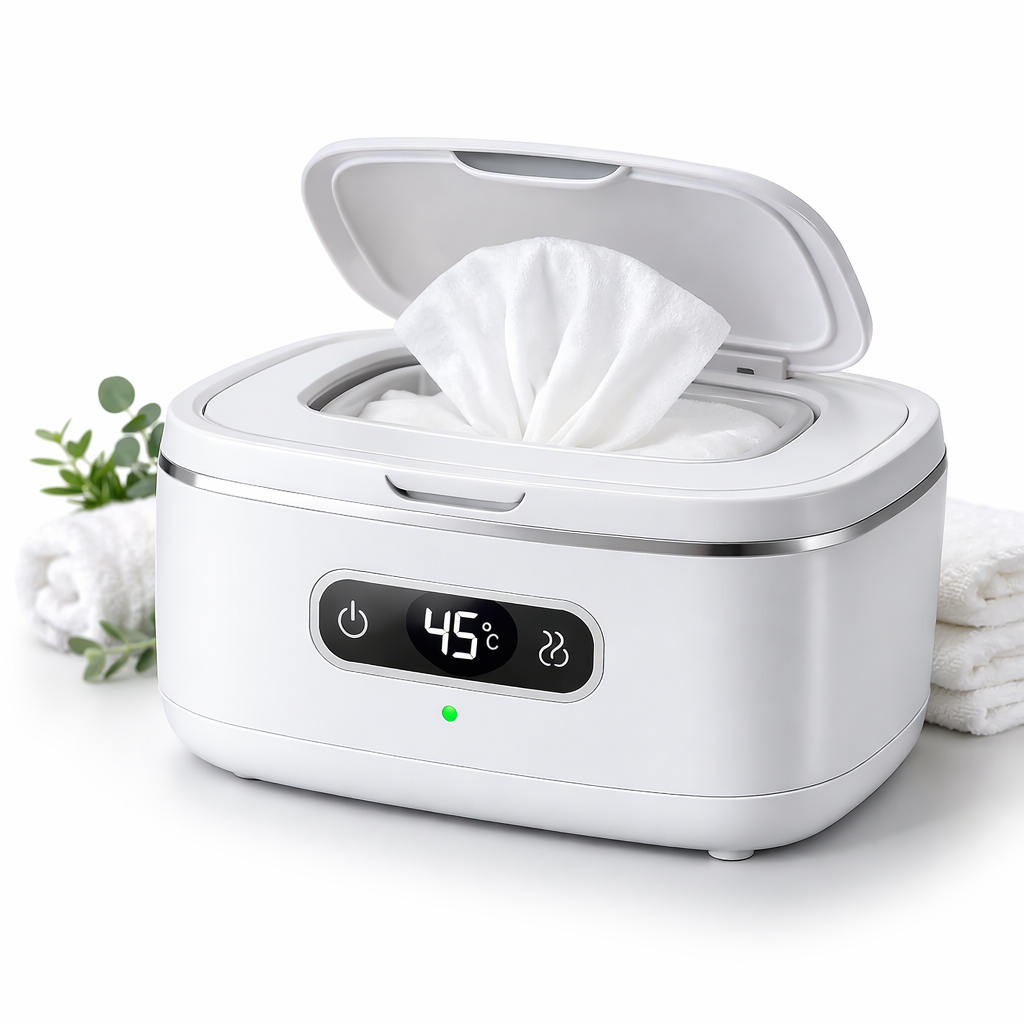
1. Wipe Warmers
Many parents buy wipe warmers expecting them to make diaper changes more comfortable for babies.
In reality, most babies adapt quickly to room-temperature wipes, and the warmer becomes another device that needs electricity, cleaning, and maintenance.
For many families, it ends up sitting unused on the changing table.
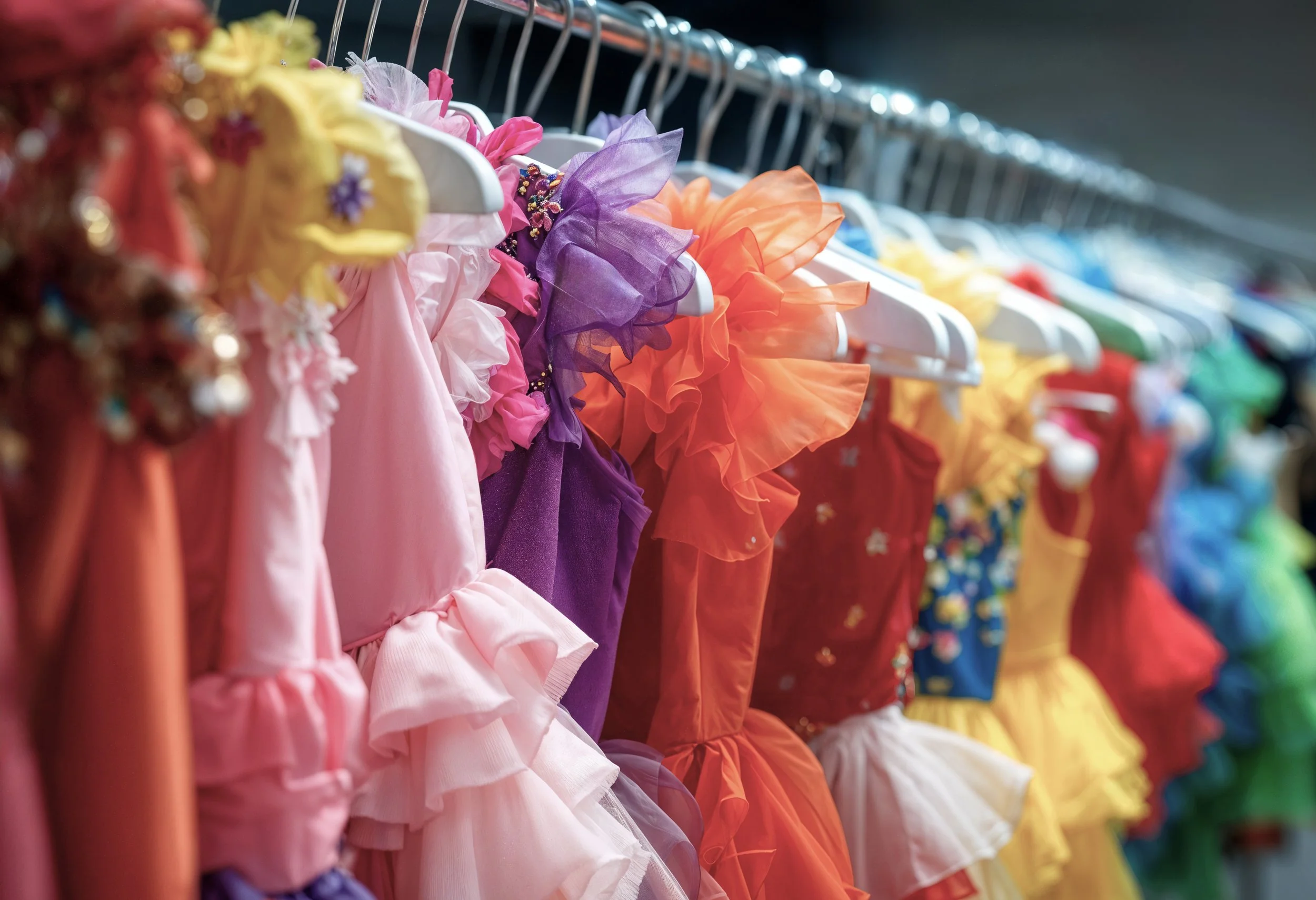
2. Fancy Newborn Outfits
Tiny dresses, miniature suits, and themed outfits can be adorable.
But newborns grow incredibly fast, and many parents find these clothes are worn only once or twice — sometimes just for photos. Comfortable bodysuits and sleepers tend to get far more use during the early months.
3. Baby Shoes Before Walking
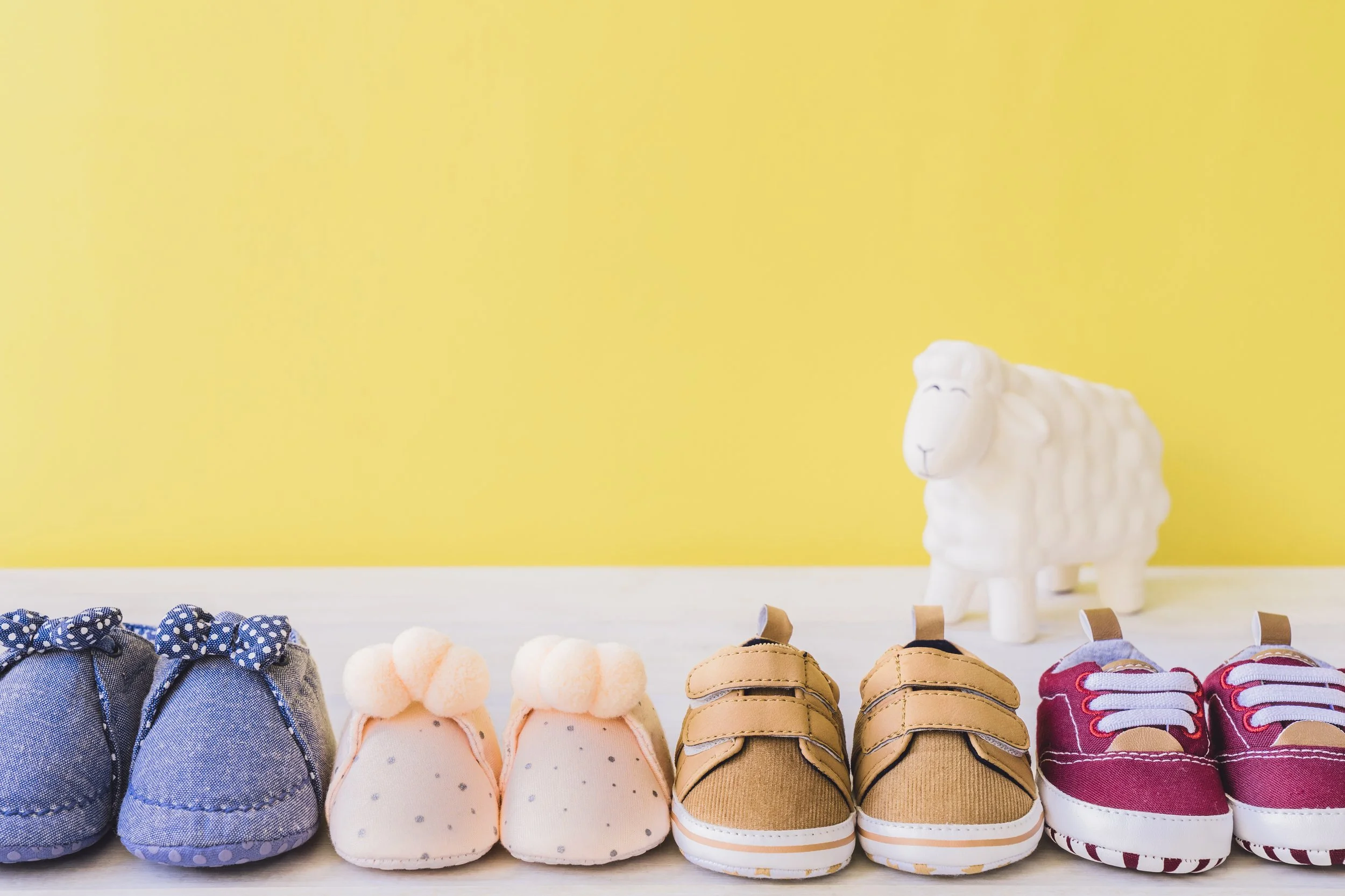
One of the most common regrets parents mention is buying baby shoes too early.
Before babies start walking, shoes are mostly decorative. Many babies simply kick them off, and they rarely stay on long enough to justify the cost.
Soft socks or booties are usually more practical.
4. Expensive Bottle Sterilizers
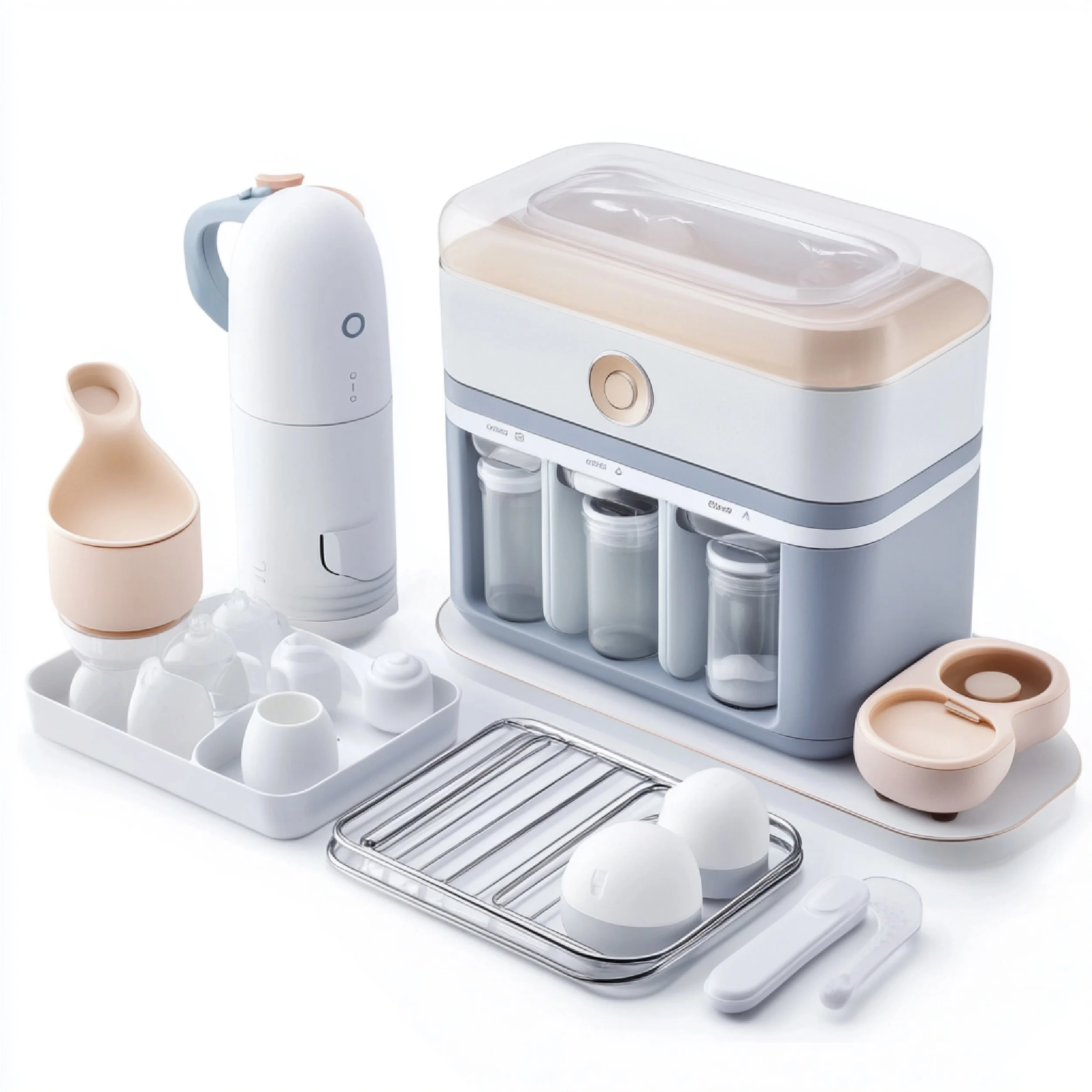
Bottle sterilizers can look like an essential item, but many parents find simpler methods work just as well.
Boiling water or using sterilizing tablets often achieves the same result without needing another large kitchen appliance.
For families with limited space, the sterilizer quickly becomes something that takes up room rather than saving time.
5. Large Toy Collections for Young Babies
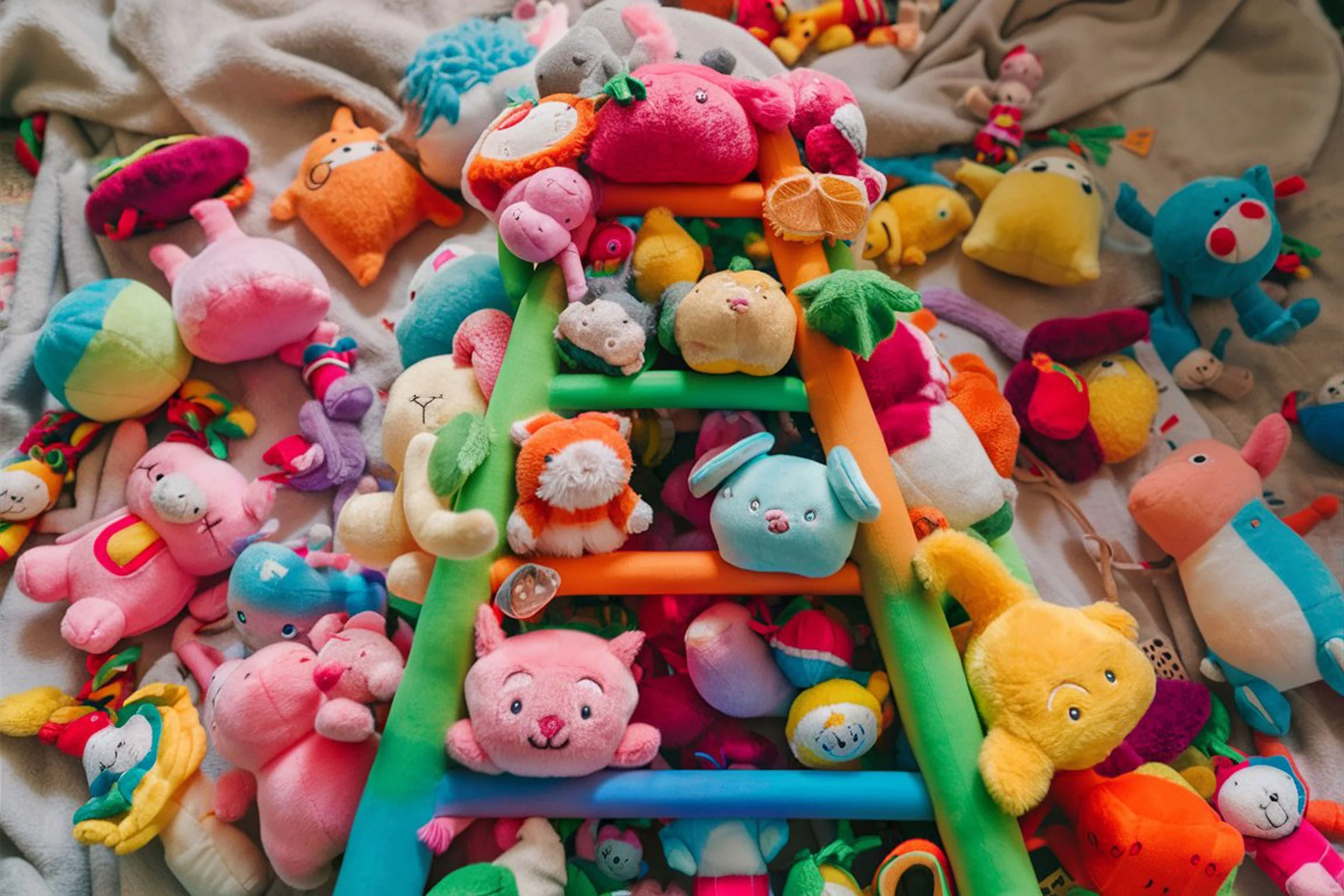
Many toys marketed for babies under six months look engaging, but younger babies often interact with only a few favorite items.
Parents frequently discover that a small number of simple toys — like rattles or soft books — provide just as much entertainment.
6. Multiple Baby Blankets
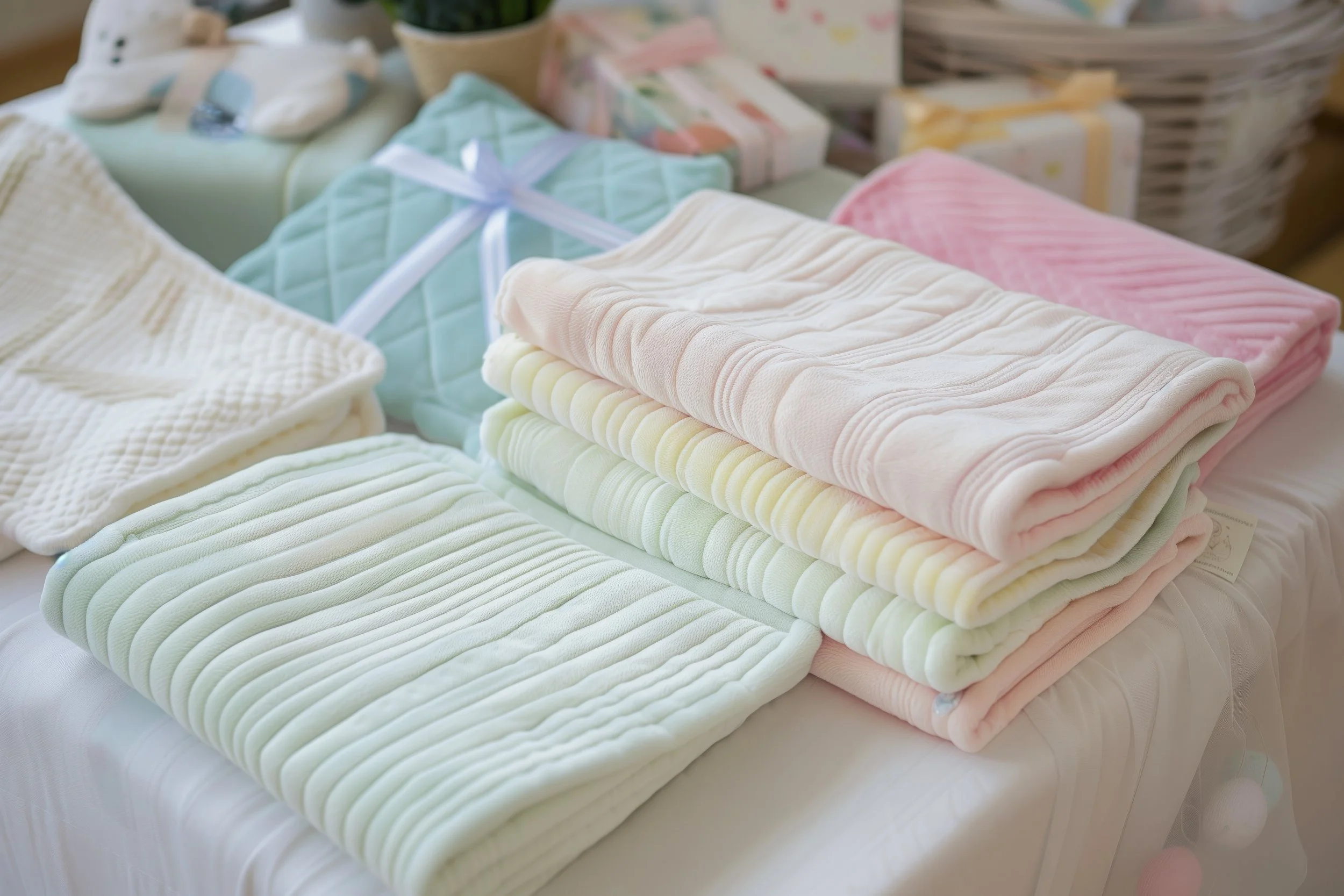
Baby blankets are a common gift and purchase.
Before long, many parents realize they have far more blankets than they could ever use.
While a few blankets are helpful, most families end up storing or passing on extras.
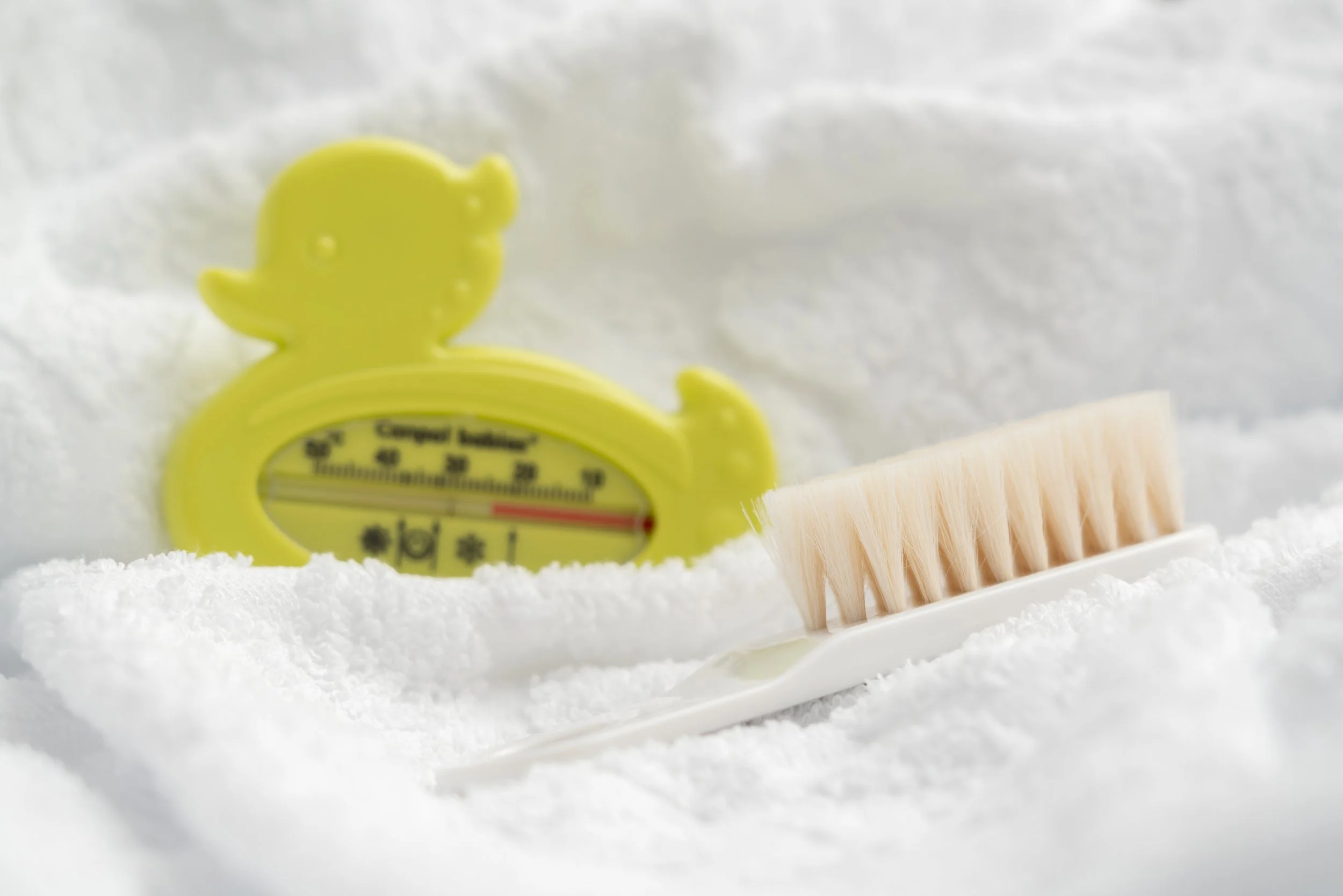
7. Baby Bath Thermometers
Bath thermometers are designed to measure water temperature precisely.
But many parents find that simply checking the water with their wrist or elbow works just as well.
The thermometer often becomes an unnecessary extra item.
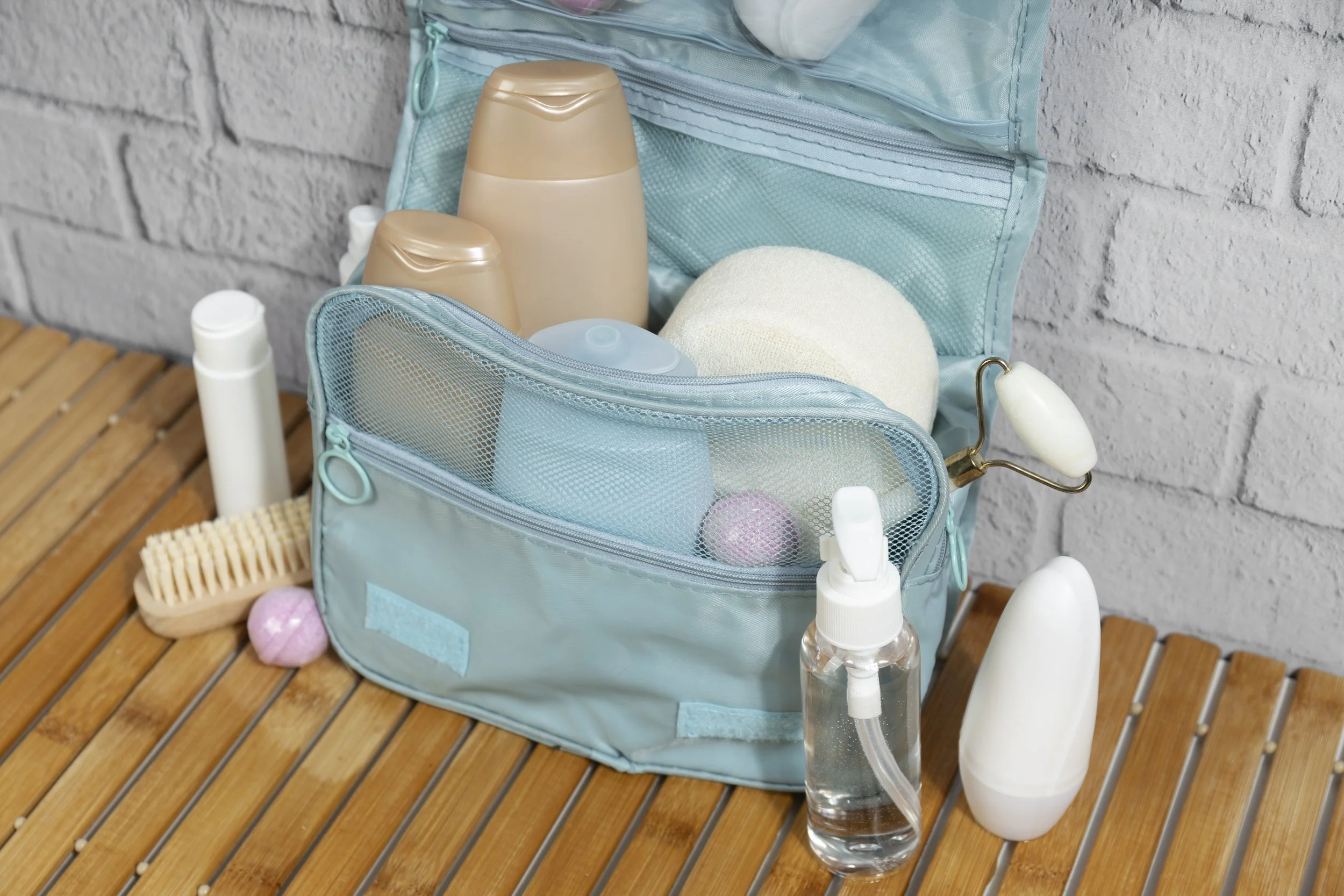
8. Large Diaper Bags with Too Many Compartments
Some diaper bags are designed with dozens of pockets and sections.
While they seem practical at first, many parents later prefer smaller, simpler bags that are easier to carry and organize.
9. Duplicate Baby Equipment
Parents often end up with multiple versions of the same item — several baby carriers, multiple baby bouncers, or extra feeding accessories.
In many cases, one well-chosen item is enough.
10. Buying Everything Brand New
Many parents later realise that buying everything brand new for a baby isn’t always necessary. Because babies grow so quickly, items like clothes, toys, and equipment are often used for only a short period of time and remain in excellent condition.
A Common Realization for Many Parents
One thing becomes clear when parents reflect on their purchases: babies grow quickly, and many items are used for only a short time.
Because of this, families often find that gently used baby clothes, toys, and equipment can still be in excellent condition after one child outgrows them.
Passing these items to another family allows them to be used again rather than sitting unused in storage.
Sharing Instead of Storing
Many parents today are choosing to pass on children’s items once they’re no longer needed.
Communities like Let’s Match Mums help connect families so that baby clothes and equipment can continue helping other children as they grow.
It’s a simple way to reduce waste while supporting other families.
