Baby’s First Shoes: When Do They Actually Need Them?
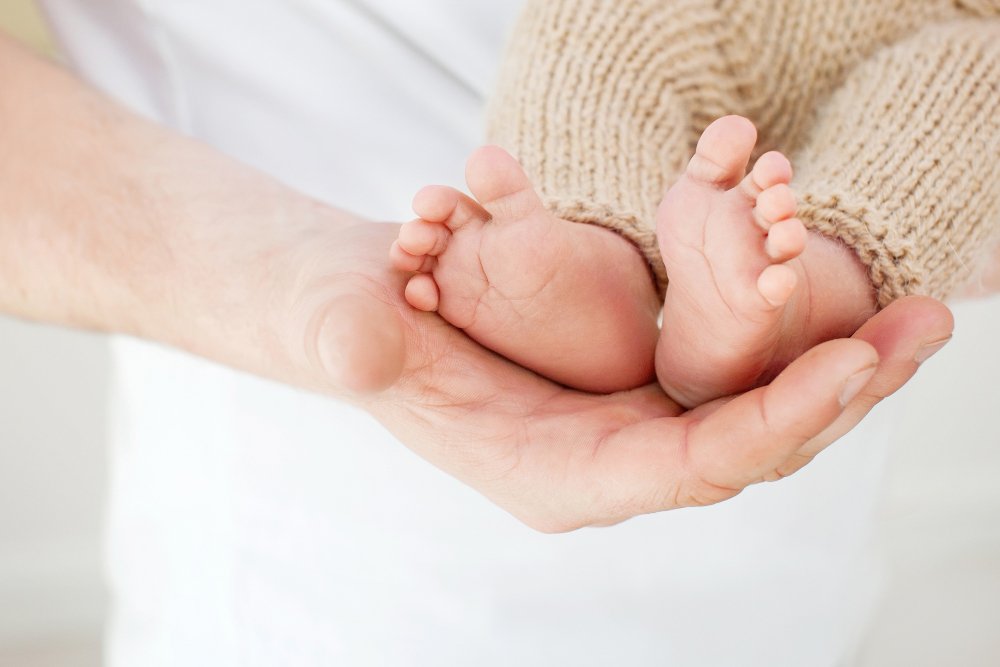
Tiny baby shoes are hard to resist. But when your baby starts pulling themselves up, cruising along the furniture or taking those first wobbly steps, you might wonder: is it time for their first proper pair of shoes?
Interestingly, you don't need to rush.
Before walking, barefoot is best
According to Ireland's HSE, babies do not need supportive shoes before they are walking. When it's safe and warm enough, being barefoot helps the small muscles in their feet develop. Socks or soft shoes can still be useful simply for keeping little feet warm.
And those first few steps across the sitting-room floor don't necessarily mean it's time to go shoe shopping either.
The HSE advises that children are generally ready for shoes once they've been walking for around 4 to 6 weeks, although every child develops differently.
So when are first shoes useful?
Shoes become particularly useful when your little one is confidently walking outside, where their feet need protection from rough, cold or potentially hazardous surfaces. The NHS similarly advises that proper shoes aren't necessary until a child is walking independently and that, initially, shoes can be kept mainly for outdoor walking.
Indoors, barefoot time can still be valuable.
What should you look for in first shoes?
This is where fit matters more than how adorable the shoes look.
The HSE recommends having your child's feet measured by a trained shoe fitter. There should be roughly 1 cm between their toes and the end of the shoe, with enough room to wiggle their toes. The heel shouldn't slip up and down as they walk.
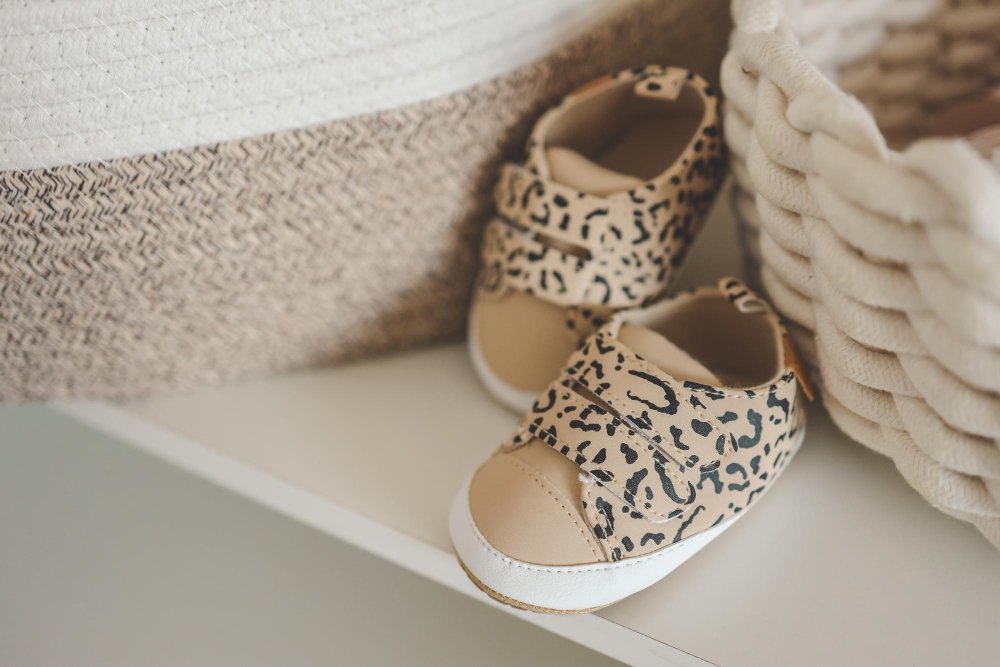
Look for shoes that are comfortable, flexible at the front and securely held in place with laces, buckles or another fastening. Breathable materials such as leather or canvas can also help keep little feet comfortable.
And don't assume expensive automatically means better. The HSE specifically notes that cheaper shoes can often be just as good when they fit properly and have the right features.
Those little feet don't stay little for long
Children's feet grow quickly, which means a pair that fitted beautifully not long ago can suddenly become snug.
Rather than relying only on the size printed inside the shoe, regularly check whether there's still room at the toes and look for redness or marks that could indicate pressure.
It's another reminder of just how short the useful life of some children's things can be.
A child may outgrow a pair of shoes while they still look almost new. With footwear, however, condition and fit matter especially, because shoes can wear and mould to the child using them. Some NHS podiatry guidance therefore advises avoiding second-hand shoes.
For clothes, toys, books and other suitable children's goods that still have plenty of life left, passing them on can be a wonderful way to keep them useful.
That's something we see every day at Let's Match Mums. Children grow quickly, but many of the things they leave behind can continue their story with another family.
Little feet keep growing. The things around them don't always have to be finished quite so quickly.