
Is Your Child Ready for the Colder Months?
An autumn clothing checklist for families in Ireland
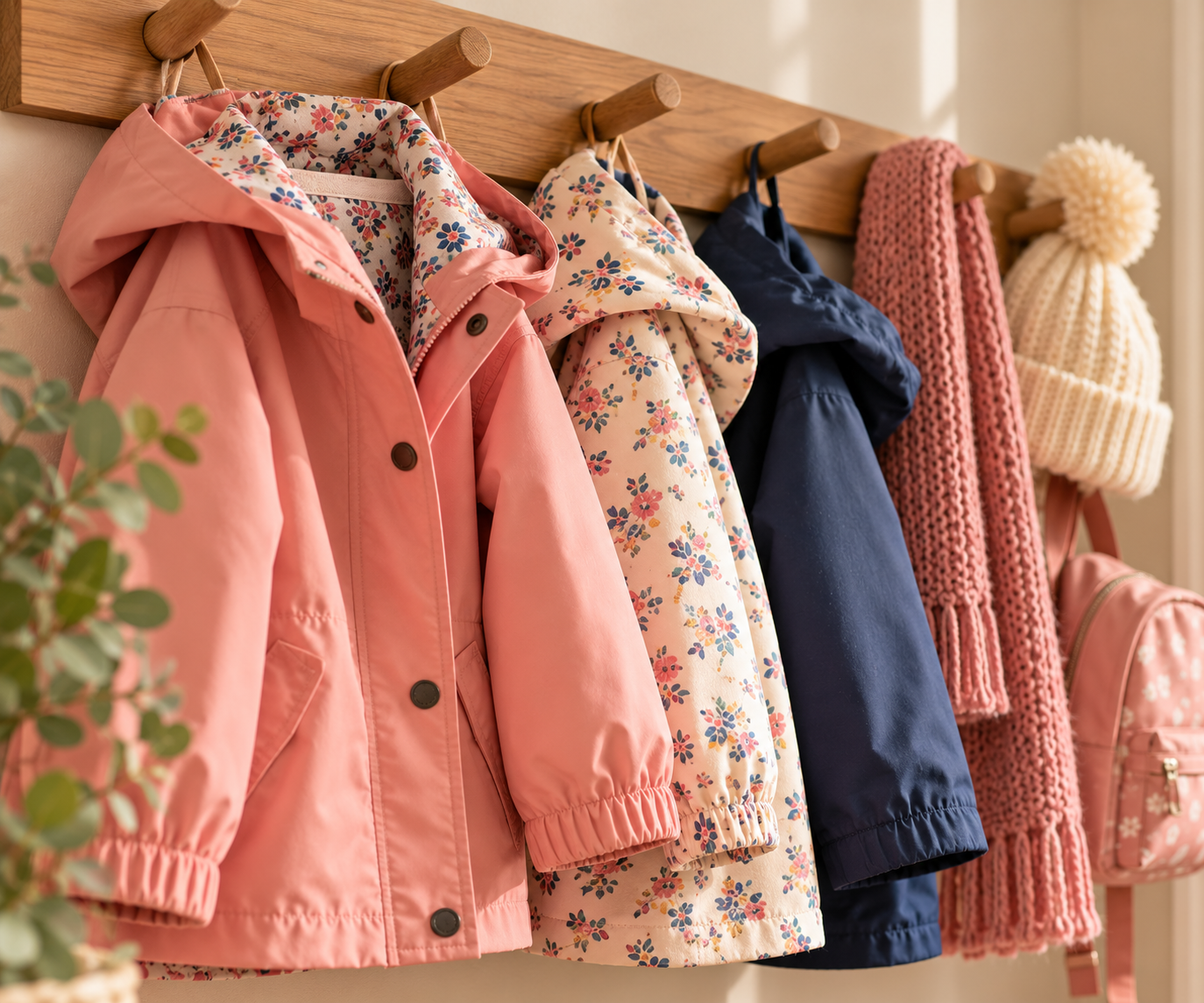
Autumn in Ireland can be unpredictable. One morning, your child needs a warm jumper and raincoat; by lunchtime, they're running around in the sunshine. And just when you think you've sorted their autumn wardrobe, you discover that last year's wellies no longer fit!
Preparing for colder weather doesn't have to mean buying an entirely new wardrobe. A few practical essentials, a quick check of what still fits and some good-quality preloved finds can help your family get ready for the months ahead.
Here's what to look out for as the temperatures begin to drop.
1. Start With What You Already Have
Before heading to the shops, take a look through your child's autumn and winter clothes from last year.
Try on coats, jumpers and waterproof trousers, and check whether their boots still fit comfortably. Children can grow surprisingly quickly, so something that fitted perfectly in March might already be too small.
Look for worn soles, broken zips, missing buttons and waterproof clothing that's no longer keeping the rain out.
You might discover that you already have most of what you need, or that a few items are ready to be passed on to another family.
2.The Autumn Clothing Checklist
What Does Your Child Actually Need?
Tick off the essentials you already have.
You don't need multiples of everything. Think about your child's daily routine, how often you do laundry and whether they spend much time outdoors.
For children attending school or crèche, a spare set of clothes can be particularly useful after muddy playground adventures or unexpected rain.
3. Think Layers, Not Just Thick Coats
Irish autumn weather can change throughout the day. Dressing children in comfortable layers makes it easier to adjust when they move between chilly mornings, warm classrooms and outdoor play.
Start with a breathable base layer, add a jumper or fleece, and finish with a waterproof outer layer when needed.
For babies, check their tummy or chest to make sure they're comfortably warm, and remove unnecessary layers when indoors. If they're sweating or their chest feels unusually hot, remove a layer.
Bulky coats and snowsuits should also be removed before fastening a child into a car seat, as thick clothing can prevent the harness from fitting securely. Once your child is safely strapped in, you can place a blanket over the harness if they need extra warmth.
4. Don't Overlook Shoes and Wellies
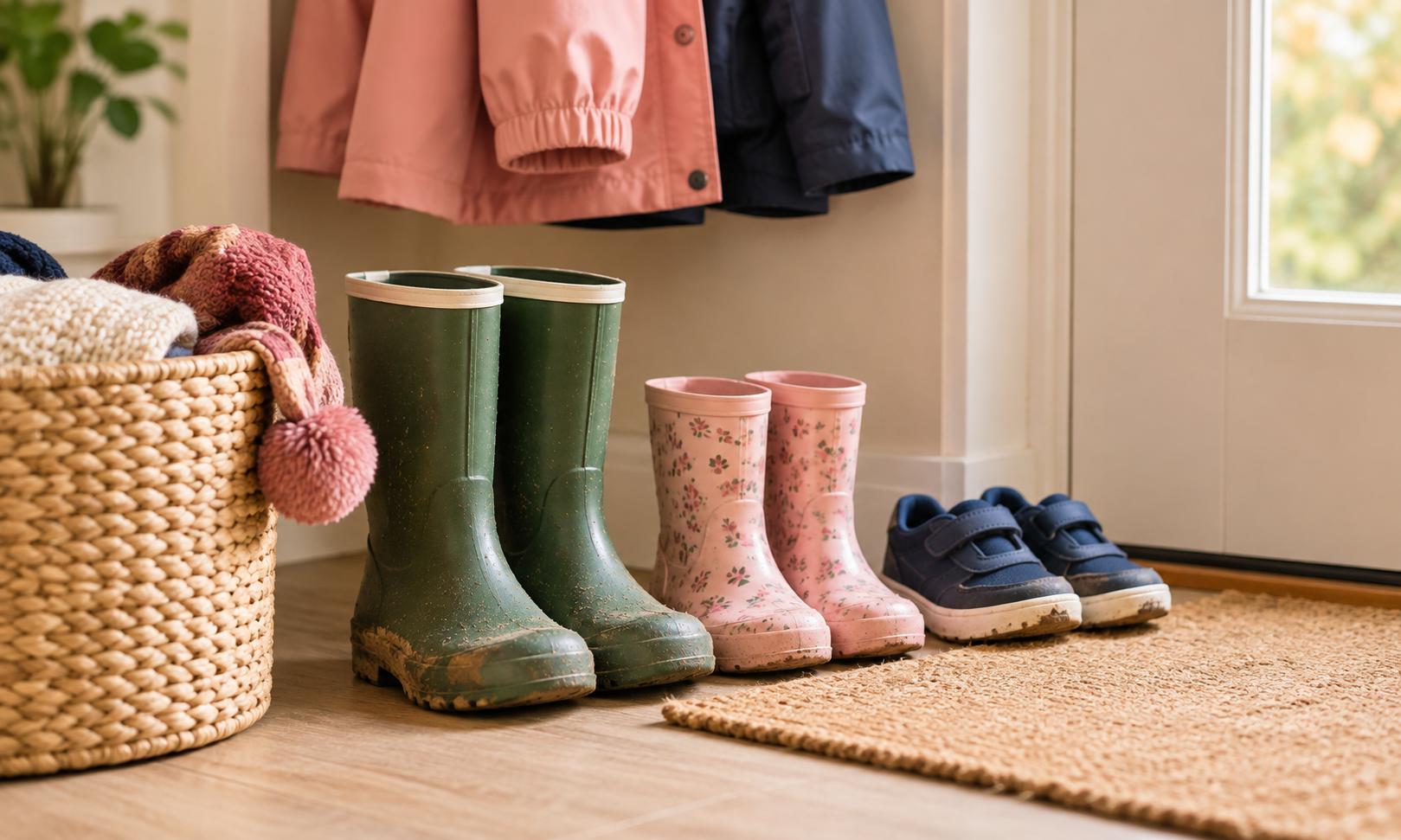
Cold, wet feet can quickly spoil a trip to the playground.
Check that your child's everyday shoes have enough room for their toes and that their wellies aren't too tight when worn with thicker socks. Look for worn soles, damaged seams or cracks that could let water in.
Good-quality preloved footwear can be an option, provided it's in suitable condition and fits properly. Shoes that are badly worn or have lost their shape are better left out of the donation pile.
5. Preparing for Winter Without Buying Everything New
Replacing children's clothes every season can become expensive, particularly when they're still growing.
Before buying anything new, consider checking local second-hand shops, swapping suitable items with friends or family, and looking for good-quality preloved clothing.
Prioritise the essentials your child needs now rather than purchasing an entire winter wardrobe in advance. You can add other items as the weather changes.
A little planning can also help you avoid buying things you already have tucked away in a drawer or storage box.
6. What About the Clothes They've Outgrown?
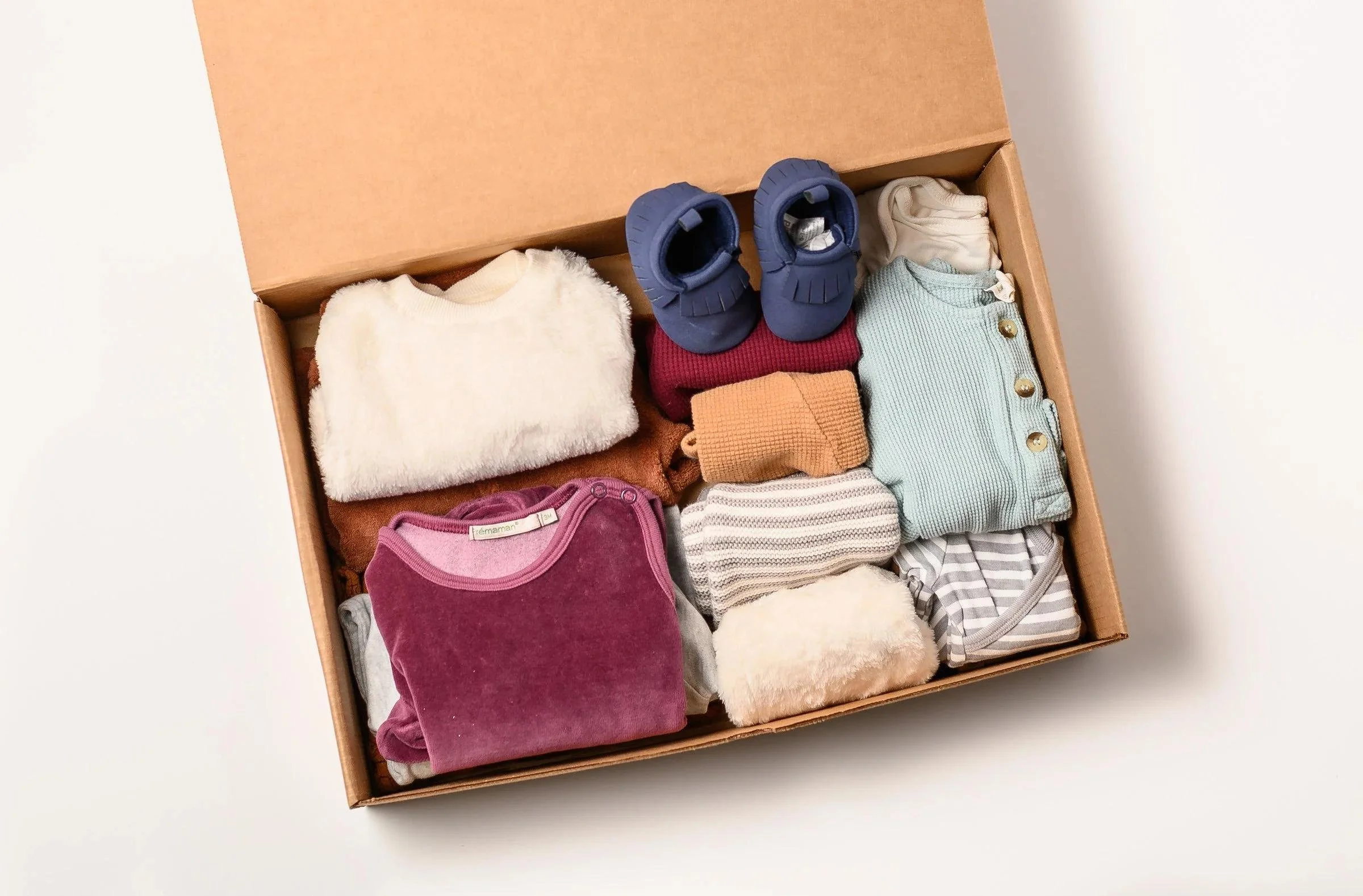
While you're sorting through your child's wardrobe, you might find perfectly good coats, jumpers, shoes and other essentials that no longer fit.
Instead of leaving them packed away, consider whether another family could use them.
At Let's Match Mums, we connect mums in Ireland who have good-quality preloved children's items with mums living in Direct Provision who need them. We carefully match donations according to children's ages, sizes, locations and individual needs, helping items reach families who can put them to good use.
Before passing anything on, make sure it's clean, in good condition and ready for another child to wear. Check for broken fastenings, loose buttons and potentially dangerous cords or drawstrings.
Taking a few extra minutes to prepare your preloved items can make them more useful for the next family.
7. A Little Preparation Goes a Long Way
Getting ready for the colder months doesn't have to happen all at once. Start with what your child already has, identify what's missing and look for practical ways to fill the gaps.
And if you have good-quality children's clothes sitting unused at home, they could be just what another mum needs this autumn.
Have Preloved Children's Clothes to Pass On?
Help us connect your preloved kids' items with a family who needs them.
Get Involved